

In a major development for global trade and India–US relations, the United States has agreed to reduce the import tariff on Indian goods from a very high 50% to just 18%. This decision came after a direct phone call between Donald Trump and Narendra Modi, marking one of the biggest shifts in bilateral trade policy in recent years.
The move is being seen as a big relief for Indian exporters and manufacturers, and also as a strategic step by the US to reshape its energy and trade partnerships.
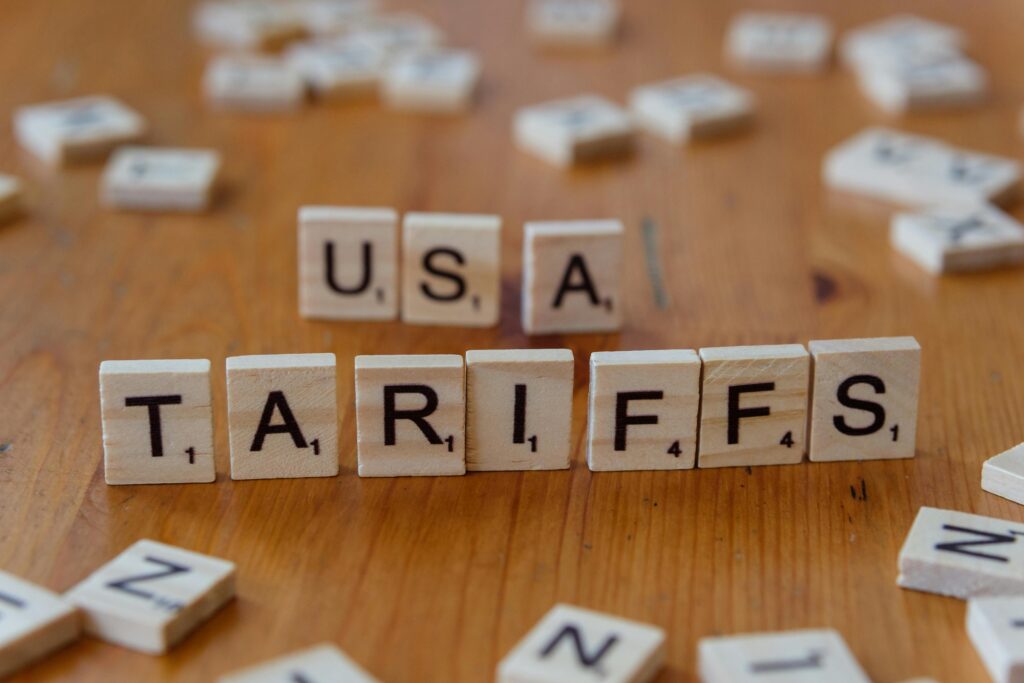
What Was the Problem Before?
Last year, the US had imposed heavy tariffs on Indian goods under what it called “Liberation Day tariffs.” India was charged:
- 25% import duty on many Indian products
- Another 25% penalty because India was buying crude oil from Russia
This pushed the total tariff to 50%, making India one of the most heavily taxed trading partners of the US.
As a result, Indian exports like textiles, engineering goods, chemicals, auto parts, and electronics became much more expensive in the American market. This reduced demand for Indian products and hurt Indian exporters.
The Big Announcement: Tariffs Slashed to 18%
After talks between the two leaders, President Trump announced that the US will now reduce its “reciprocal tariff” on Indian goods to 18%.
This means:
- Indian products will become cheaper in the US
- Indian exporters will become more competitive
- Trade between the two countries is likely to increase sharply
Trump described this as a trade deal between two major democracies.
Trump’s Message: Trade, Energy, and Peace
In his statement, President Trump said that he and PM Modi discussed:
- Trade relations
- Ending the Russia–Ukraine war
- Energy cooperation
Trump said that India has agreed to stop buying Russian oil and instead buy more oil and energy products from:
- The United States
- Possibly Venezuela
According to Trump, this move would reduce Russia’s oil income and help push for an end to the Ukraine war.
He also added that India has agreed to:
- Reduce tariffs and non-tariff barriers on American goods to zero
- Buy over $500 billion worth of US energy, technology, agricultural, and other products
- Support a “Buy American” policy at a higher level
PM Modi’s Reaction: A Boost for “Make in India”
Prime Minister Modi welcomed the decision warmly and said it would give a strong boost to the Make in India initiative.
In his message, PM Modi said:
“Delighted that Made in India products will now have a reduced tariff of 18%. Big thanks to President Trump on behalf of the 1.4 billion people of India for this wonderful announcement.”
He also said that when two large democracies work together, it creates new opportunities for business, jobs, and innovation.
What Is “Make in India” and Why This Matters
Make in India is a flagship Indian government program that encourages:
- Manufacturing in India
- Exports from India
- Foreign investment
With lower US tariffs:
- Indian factories will get more export orders
- Companies may expand production
- More jobs could be created
- India can strengthen its position as a global manufacturing hub
This deal makes it easier for Indian-made goods to reach one of the world’s biggest consumer markets — the United States.
Venezuela and US Energy: A New Shift
Trump also mentioned that India would start buying crude oil from Venezuela instead of countries like Russia or Iran.
This is important because:
- Venezuela has large oil reserves
- The US wants to support friendly oil suppliers
- It reduces dependence on Russia
India is one of the world’s largest oil importers, so where it buys oil from has a big impact on global politics and prices.
How Will This Affect Indian Businesses?
This decision is expected to help many Indian industries, especially:
- Textiles and garments
- Pharmaceuticals
- Auto parts
- Engineering goods
- IT hardware and electronics
Lower tariffs mean:
- Better profit margins
- Higher sales in the US
- More global competitiveness
Stock markets may also react positively to this news, especially export-driven companies.
What Does the US Gain?
For the United States, the deal brings several benefits:
- More exports of US energy, farm products, and technology to India
- Reduced trade deficit with India
- Stronger political and economic partnership
- Greater influence in Asia
It also supports Trump’s strategy of linking trade with geopolitical goals.
A New Chapter in India–US Relations
This deal marks a big shift after months of trade tension. Instead of high tariffs and disputes, both countries are now focusing on cooperation.
The new US Ambassador to India, Sergio Gor, confirmed that the leaders spoke and that this agreement is part of a broader plan to strengthen ties.
Final Thoughts
The reduction of US tariffs on Indian goods from 50% to 18% is a huge positive step for India’s economy and exporters. It will make Indian products more competitive, support Make in India, and open new growth opportunities.
At the same time, the US gains a stronger trade partner and a bigger market for its own products.
This deal shows how diplomacy, trade, and global politics are closely connected. If implemented smoothly, it could bring long-term benefits for both nations and even impact global markets and geopolitics in the years to come.
In simple words: India sells more, America buys more, and both countries grow stronger together. 🇮🇳🇺🇸